Adhesive resinAluminium composite pipe
PEX-AL-PEX, PERT-AL-PERT and PPR-AL-PPR structures
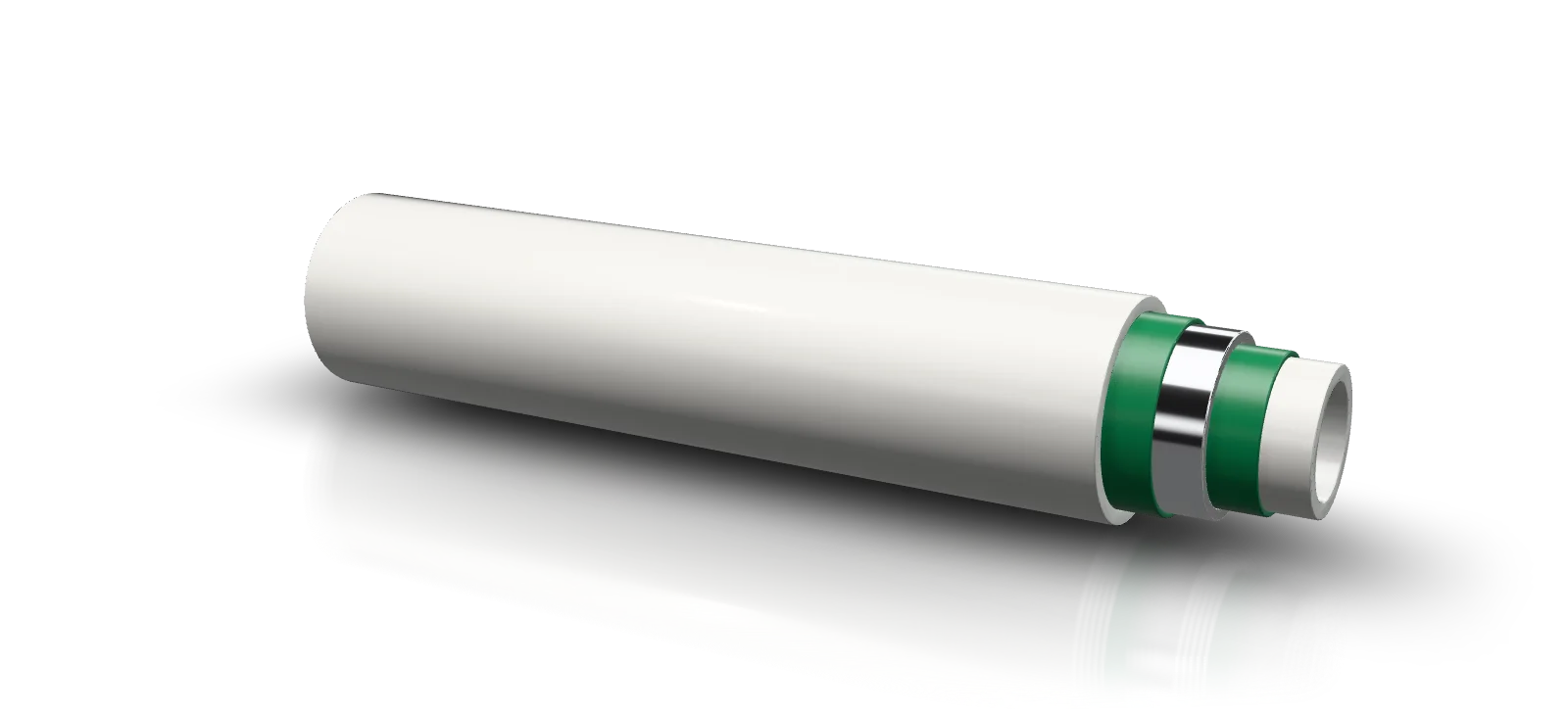
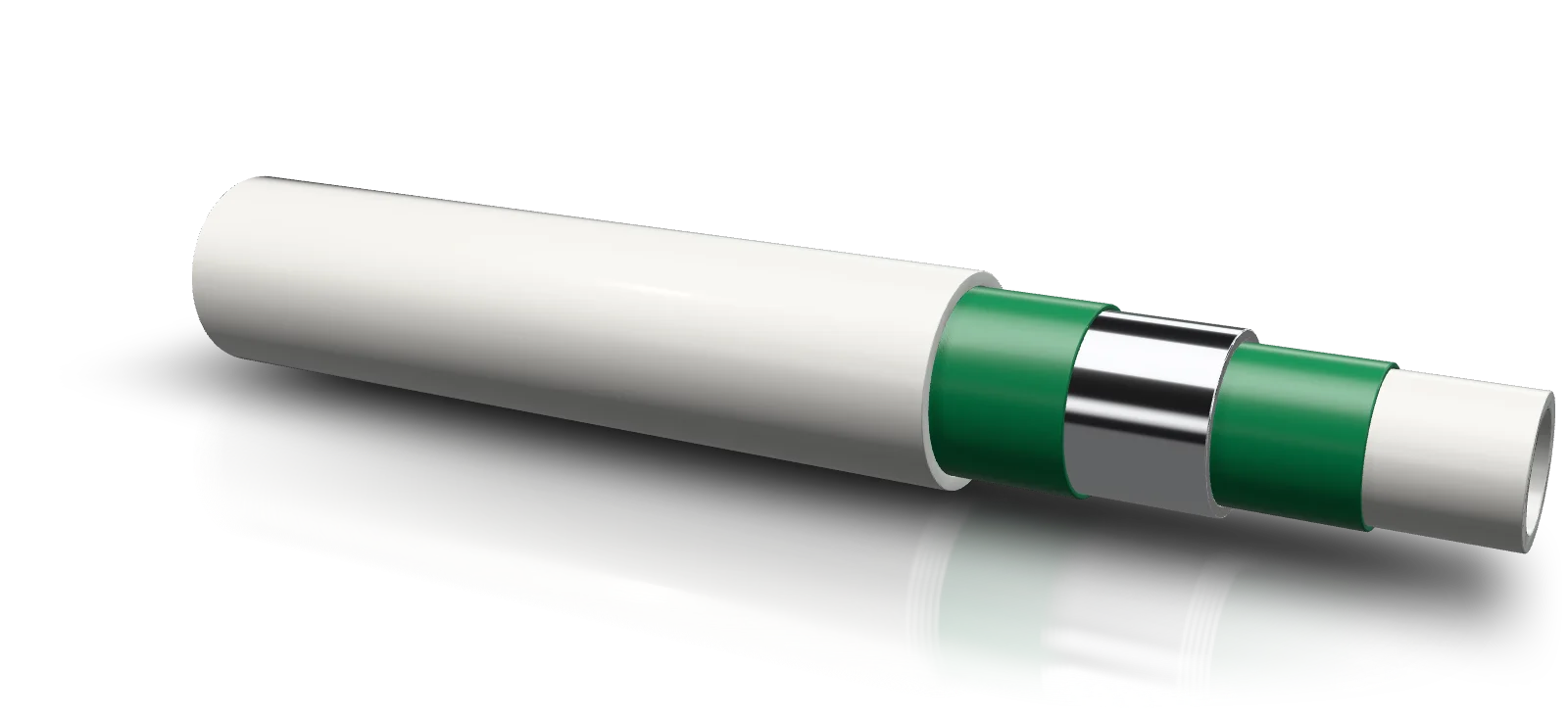
PEX-AL-PEX, PERT-AL-PERT and PPR-AL-PPR structures
Typical values are in the data sheet. Request it and it lands in your inbox.
Send me the data sheetRecommended extrusion temperatures for PE-based
Temperatures above the upper limit or long residence times of molten resin may lead to decomposition of the polymer. Decomposition products may be carbon dioxide, carbon monoxide, hydrocarbons and water.
Open the processing guideATABOND resins are supplied as small, free-flowing pellets and can be handled with commercially available equipment.
Why moisture matters: in the presence of moisture the anhydride group converts to its acid form. US 9902882 B2
The technical data sheet and safety data sheet are sent by e-mail.
Enter your production figures and see how much ATABOND you need and how much one kilogram produces straight away.
Result
To see the result, fill in: Pipe length, Diameter of the adhesive layer, Thickness of one layer, ATABOND density
AssumptionsA thin-layer approximation is used: the cross-section of a layer is taken as pi × diameter × thickness. Scrap and start-up losses are not included.
Request a sample or a quotationChoose your structure. The right ATABOND follows, with a sample and a quotation.
Start a request