Adhesive resins and coupling agents for multilayer pipes

Keeps every layer in place.

From service water to underfloor heating, it bonds the layers of sanitary and heating pipes.

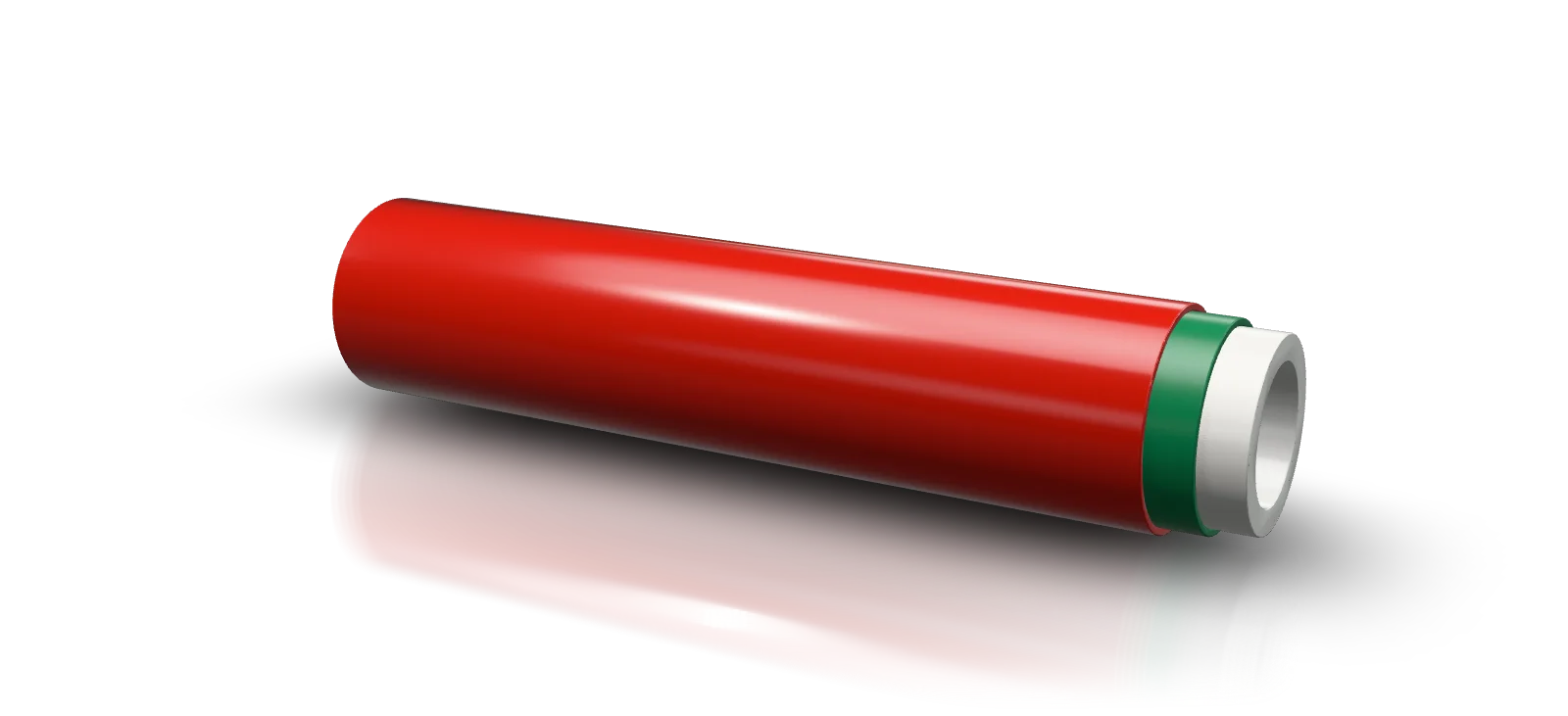
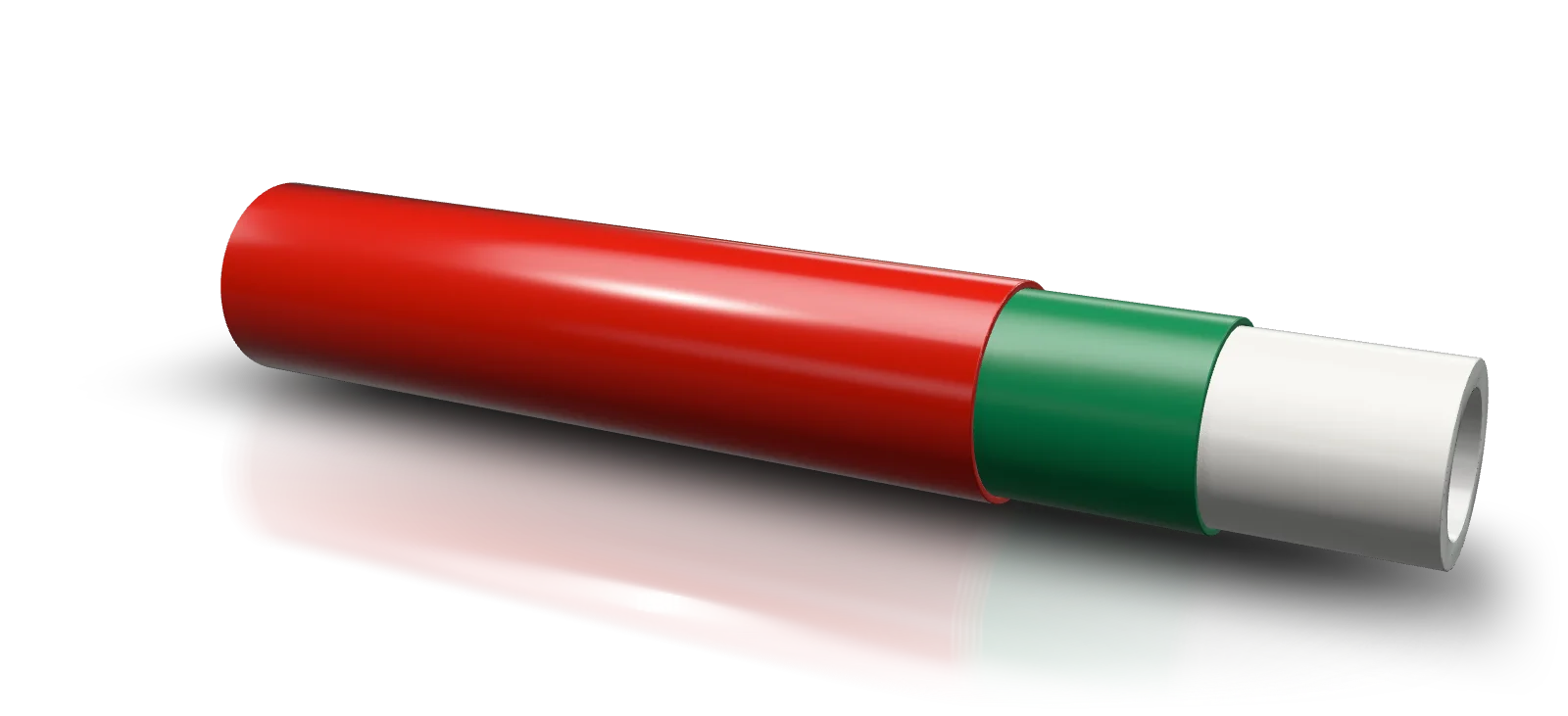
Adhesive resinAluminium composite pipe

PEX-AL-PEX, PERT-AL-PERT and PPR-AL-PPR structures

Multilayer pipes

ATABOND resins are used in sanitary and heating pipe systems: service water pipes, underfloor heating, radiator connections, wall cooling and heating installations, district heating and industrial pipelines.

For aluminium composite pipes the adhesive resin is maleic anhydride grafted polyethylene or polypropylene and bonds the polymer layers to the aluminium.

For oxygen barrier pipes with three or five layers the adhesive resin is a maleic anhydride modified polyethylene designed to bond to barrier materials such as EVOH and polyamide. It keeps its adhesion under continuously changing temperatures.

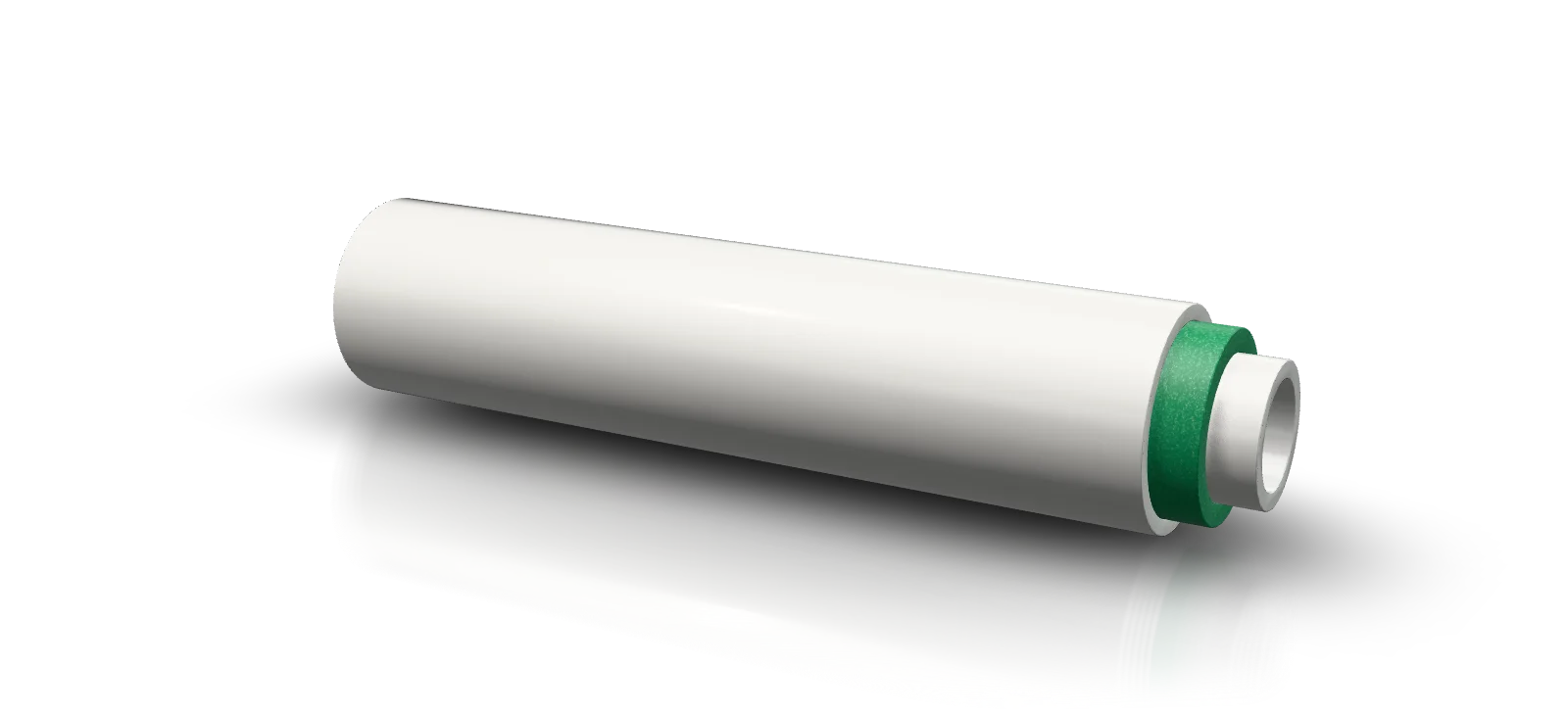
In glass-fibre reinforced PP-R pipes the coupling agent increases the incorporation of the fibres in the polymer matrix, which improves notched and un-notched impact properties and E-modulus.
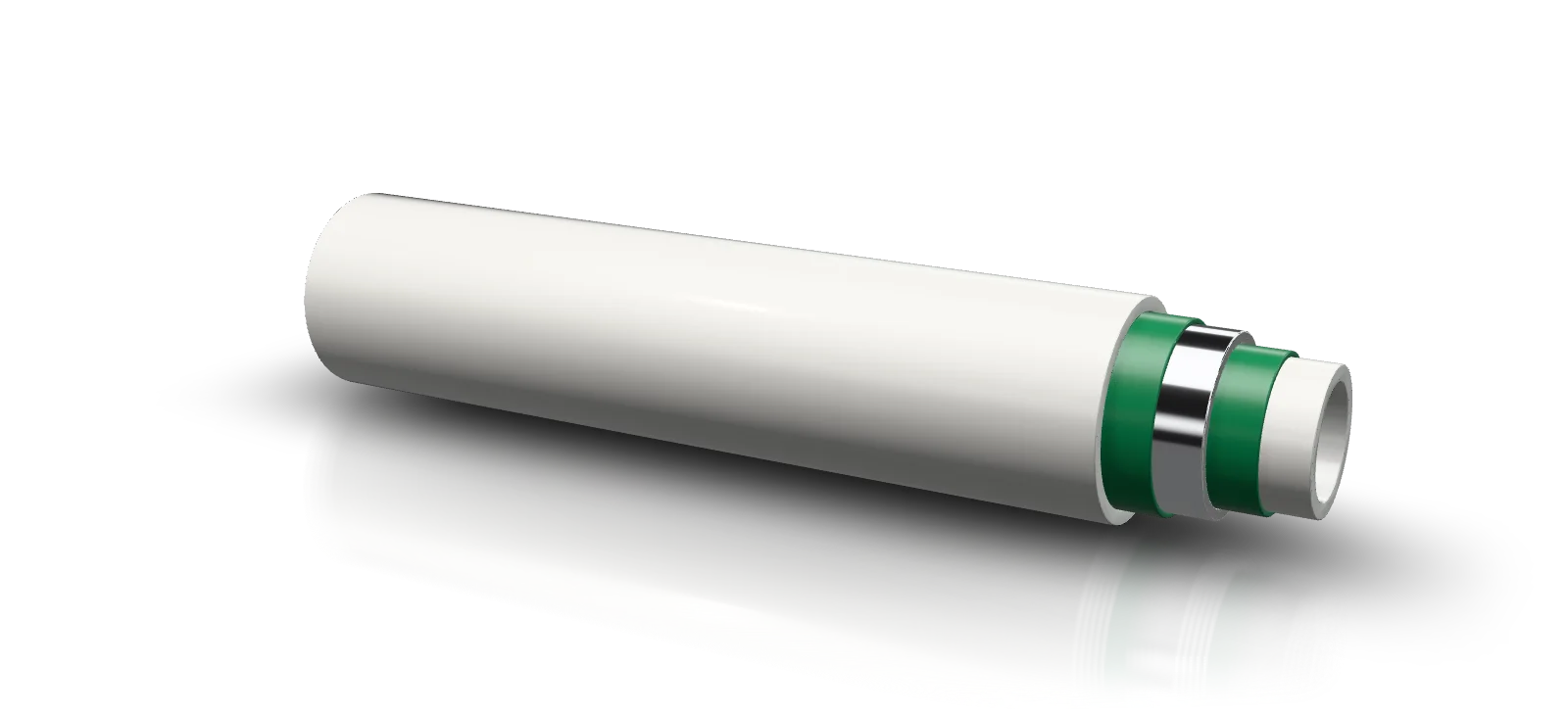
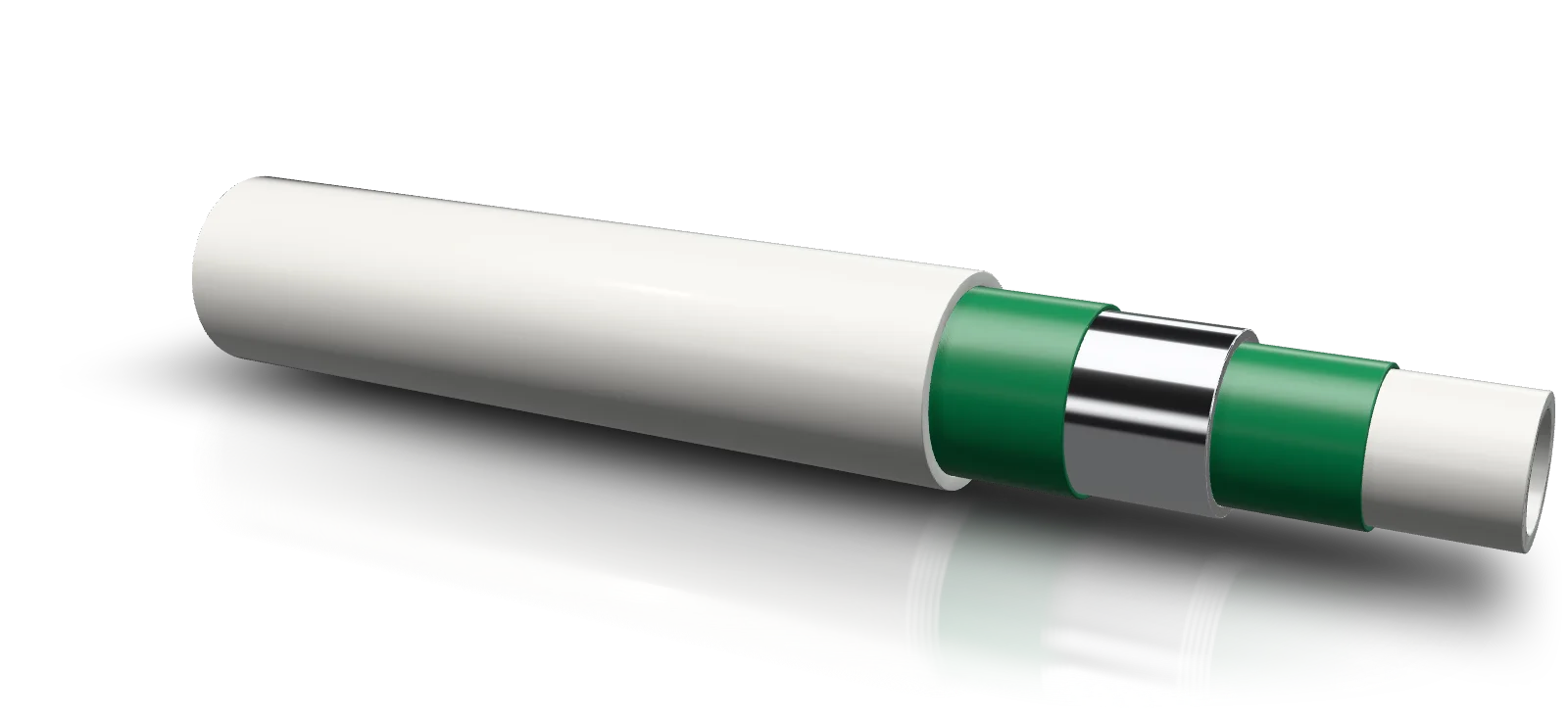
Adhesive resin

Oxygen barrier pipe

Three- or five-layer structures

Coupling agent

Glass-fibre PP-R composite pipe

The glass-fibre reinforced compound in the middle layer

Multilayer pipes

Underfloor heating

ATABOND resins are used in sanitary and heating pipe systems: service water pipes, underfloor heating, radiator connections, wall cooling and heating installations, district heating and industrial pipelines.

The sector in brief

  • ASTM F1281 defines PEX-AL-PEX pipe as one metallic layer, two layers of polymeric adhesive and two layers of crosslinked polyethylene, and tests that the layers do not delaminate.1
  • DIN 4726 limits oxygen permeation of heating pipes to 0.32 mg/(m²·d) at 40 °C.2
  • A published figure for glass-fibre reinforced PP-R composite pipe gives a linear expansion of 0.035 mm/mK against 0.15 mm/mK for plain PP-R.3
  1. ASTM F1281-17, PEX-AL-PEX pressure pipe
  2. DIN CERTCO, plastic piping (DIN 4726 oxygen tightness)
  3. Wavin, glass-fibre reinforced PP-R multilayer composite pipes

Work out your ATABOND consumption

Enter your production figures and see how much ATABOND you need and how much one kilogram produces straight away.

Works out the ATABOND consumption of the adhesive layers from the pipe length.

Total length of pipe to be produced.

Mid-wall diameter of the layer. With two layers, enter the average of their diameters.

There is one adhesive layer on each face of the aluminium.

Published range: a metal-plastic pipe patent gives 10 to 500 µm for the adhesive layer, with 100 µm preferred. Source: US 6293311 B1, metal-plastic multilayer pipe

The density on the data sheet of the grade you use.

Result

To see the result, fill in: Pipe length, Diameter of the adhesive layer, Thickness of one layer, ATABOND density

AssumptionsA thin-layer approximation is used: the cross-section of a layer is taken as pi × diameter × thickness. Scrap and start-up losses are not included.

Request a sample or a quotation

What TMB needs to know

Optional. The more detail, the more precise the answer.

  • Pipe type
  • Pipe dimension, for example 16 × 2.0
  • Line speed (m/min)
  • Adhesive resin used today
Request for this application

What are you bonding?

Choose your structure. The right ATABOND follows, with a sample and a quotation.

Start a request