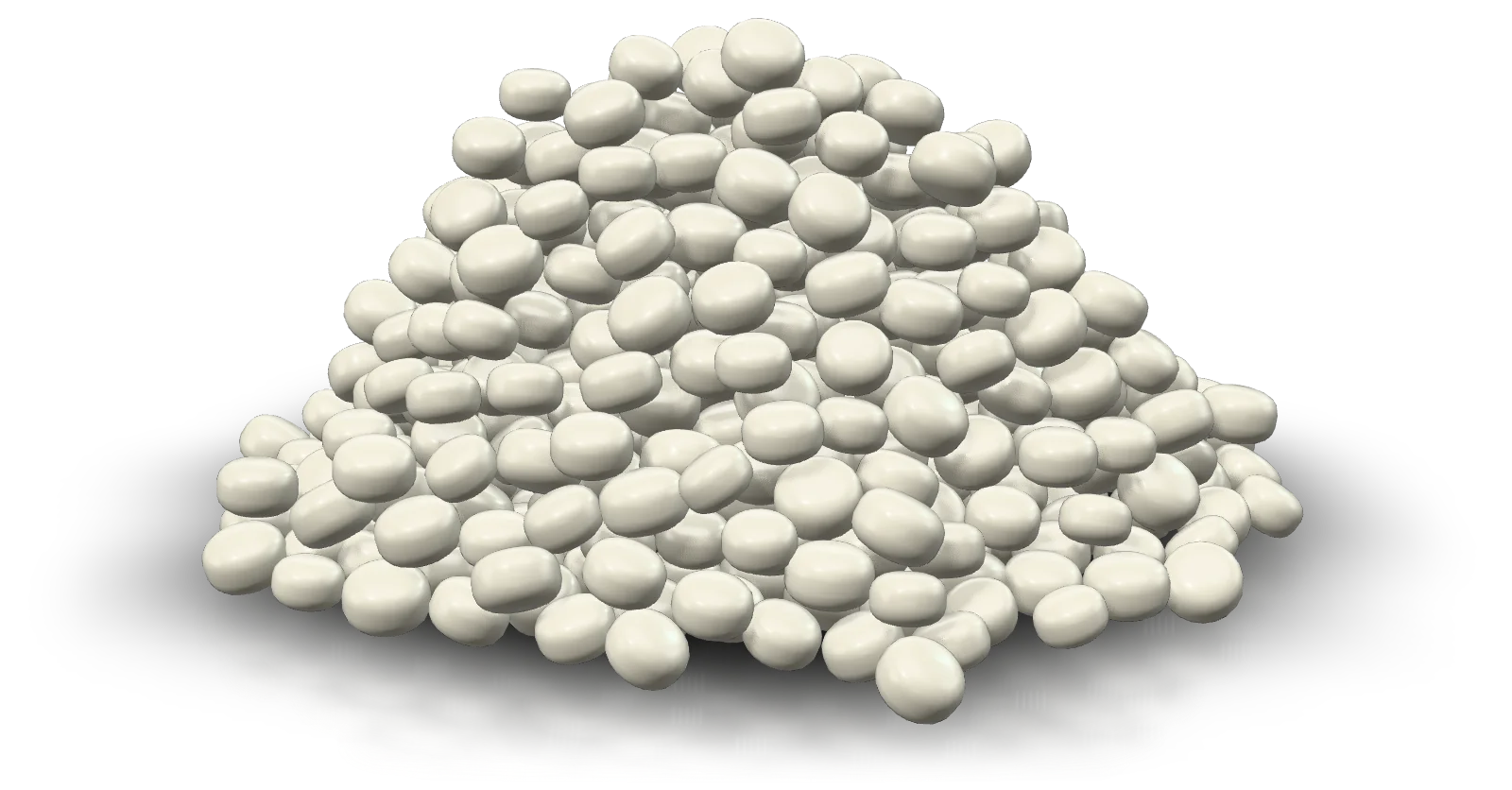
Coupling agents for wood-polymer composites
Wood and polymer. One material.
ATABOND coupling agents bond wood fibre to the polymer matrix. Strength goes up, water uptake goes down.
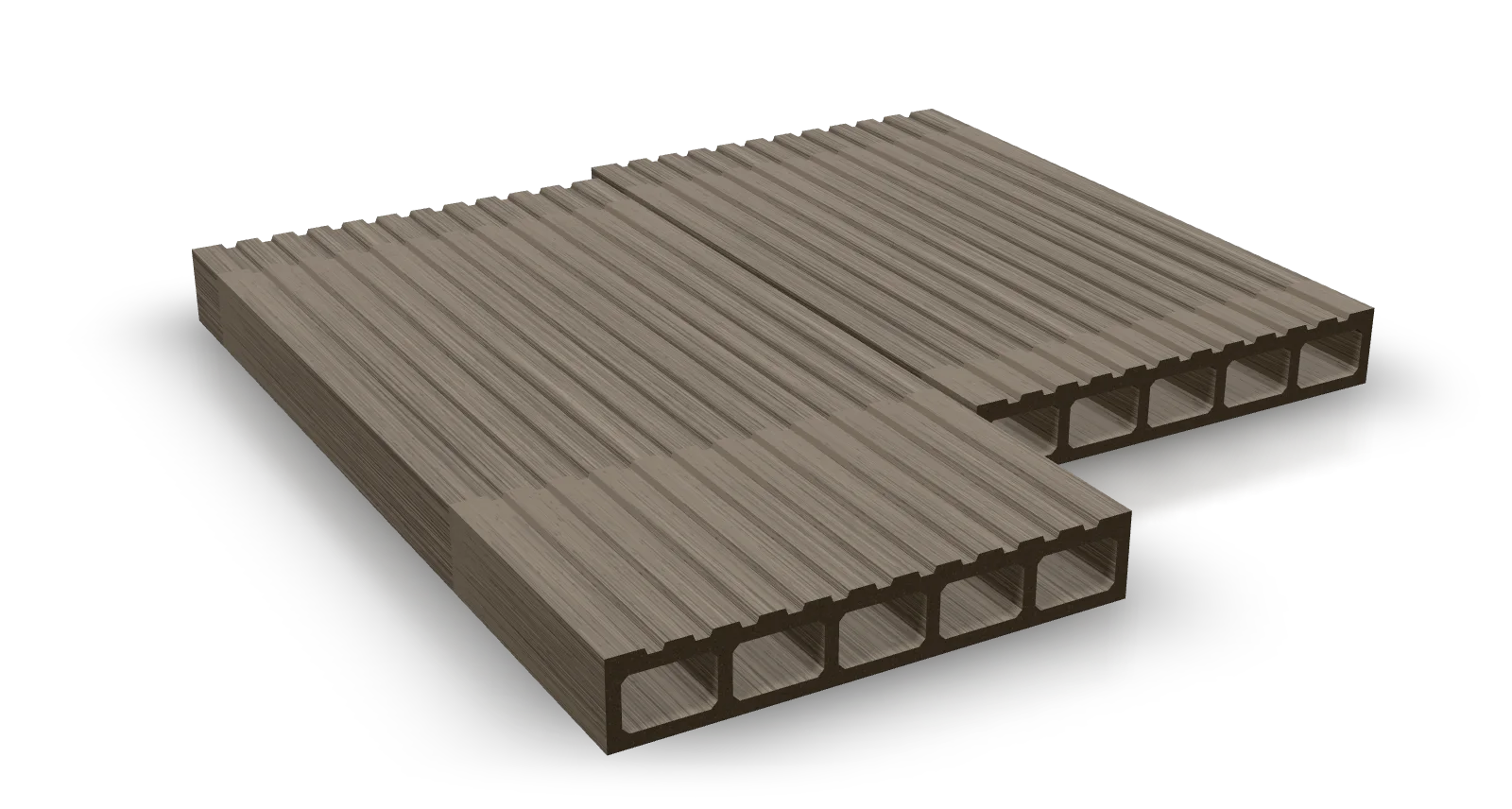
Wood and polymer. One material.
ATABOND coupling agents bond wood fibre to the polymer matrix. Strength goes up, water uptake goes down.
Outdoor products such as decking boards, where water uptake and dimensional stability matter.
Bending strength and impact strength of the composite improve, as do temperature resistance and surface quality.
ATABOND also reduces water uptake, which improves dimensional stability. This matters for outdoor products such as decking boards.
Recommended ATABOND3700
Enter your production figures and see how much ATABOND you need and how much one kilogram produces straight away.
Result
To see the result, fill in: Composite quantity, ATABOND dosage
AssumptionsDosage is a percentage of the total composite weight. Scrap and start-up losses are not included.
Request a sample or a quotationOptional. The more detail, the more precise the answer.
Choose your structure. The right ATABOND follows, with a sample and a quotation.
Start a request